ATLANTIC RIGGING ALLIANCE
THREE RIGGING SPECIALISTS. ONE SMARTER SOLUTION.

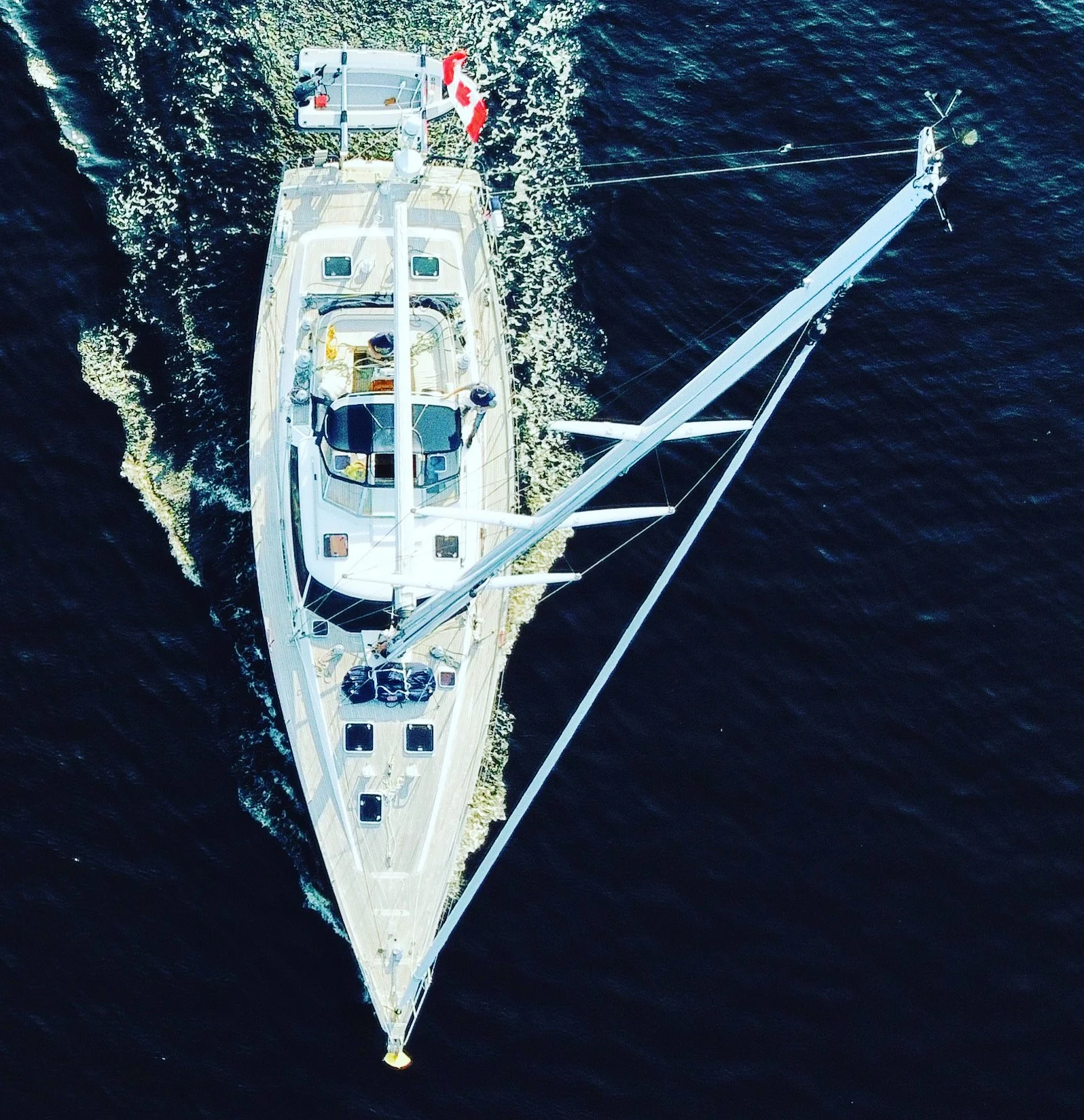
Atlantic Rigging Alliance
Three of the industry’s most respected marine rigging companies have come together with one clear purpose: to get you back on the water faster, with complete confidence in your rig.
Our collaborative network delivers faster turnaround, lower shipping costs and competitive pricing without compromising quality. The result is a more efficient, flexible approach to rigging, backed by dependable delivery when it matters most.
We leverage shared equipment, resources, and decades of combined experience to ensure every project is handled efficiently, safely, and built to perform for years to come.
Behind The SceneWhether you are preparing for an offshore passage, racing toward your next regatta, or gearing up for a season of cruising, our combined strength ensures your rig is ready on time, on budget, and built to last.
Built for Every Sailing Goal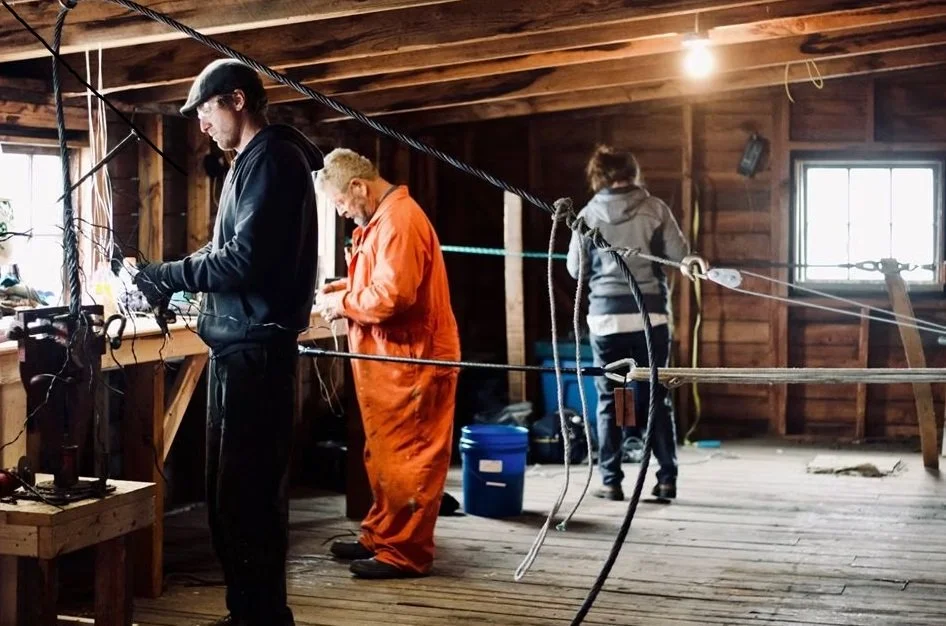
With more than 20 years of successful collaboration, we are proud to formally unite this shared expertise.
This partnership gives our clients expanded service options, greater flexibility, and exceptional value.
Frequently Asked Questions
-
Generally, it refers to the components including, mast, boom, standing rigging, running rigging. Sailmakers refer to this whole package as the ‘engine above the deck’.
-
Safety items, lifelines, furling systems, deck hardware, winches and blocks are all necessary fixtures that make a boat safe and manageable for racers and cruising sailors.
-
The wire or rod stays and shrouds that connect the mast to the deck. Turnbuckles and specific parts are matched to fit to the spar and spreaders. There are many brands and types of mast sections. Some of them are no longer made so getting a match is critical when dealing with older boats.
-
Provided the work is completed by a rigging professional, some choose to remove every year during winter storage and this is never a bad idea. It gives you or a certified rigger a great chance to check all fitting, sheaves, etc. and conduct any work that might be necessary. However, our normal recommendation is to remove your mast every 3 years on average and do not let more then 5 years go by without removing your mast.
-
Short answer is whenever you think there may be an issue but at least once per season, ideally at the start of the season and maybe half way through or after a period of intense sailing.
-
Wire for most boats is 1x19 316 stainless steel. This refers to the construction and the type of stainless steel used to build the wire. Wire sizes range from 1/8” to 1/2” for most applications up to 80 feet LOA. Nitronic Rod is less common but is used on many race boats to save weight and reduce windage.
-
Your rigging is a critical safety system. It supports the mast, controls sail shape, and withstands constant load, shock, and fatigue. Unlike many onboard systems, rigging often fails without warning.
Corrosion often starts inside swaged fittings, out of sight.
Metal fatigue builds over thousands of load cycles.
Small cracks and broken strands are easy to miss.
Age-related weakening occurs even on lightly used boats.
-
Inspecting sailboat rigging can be done at several ways--- depending on whether the mast is stepped (in) or unstepped (out), and on your goals (routine check vs. safety certification/ insurance/ survey etc.) Our team can provide feedback on best approach suited to your situation and requirements.